How Multi Jet Fusion Works
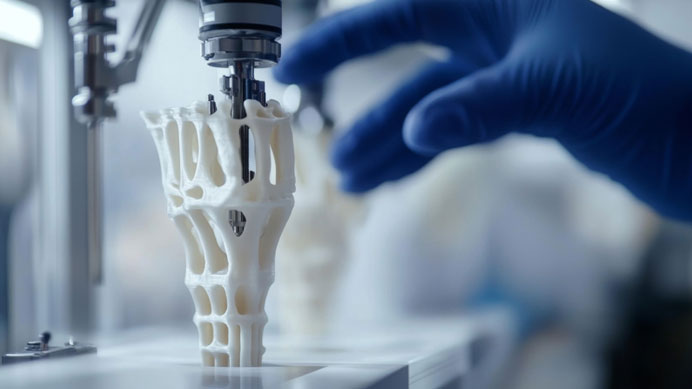
Multi Jet Fusion runs on HP printers and builds parts inside a bed of nylon powder. For each layer, print heads spray two liquids onto the powder: a fusing agent where the part should be solid, and a detailing agent along the edges to keep them crisp. An infrared lamp passes over the bed, the treated powder melts and bonds, and a fresh layer of powder is spread on top.
Because every layer is fused the same way, the part ends up equally strong in all directions. That is unusual for 3D printing, and it is the main reason MJF parts hold up as production parts rather than just models.
Why Choose MJF
- Smooth right off the printer. No support marks and no layer ridges to sand out.
- Fine detail. Text, logos, and small features come out readable.
- Even strength. No weak axis, so parts behave the way your analysis says they should.
- Complex shapes cost the same. Undercuts, lattices, and internal channels do not add price.
- Fast at volume. The printer fills the whole build bed, so 200 parts take a little longer than 20.
What MJF Is Good For
- End-use production parts
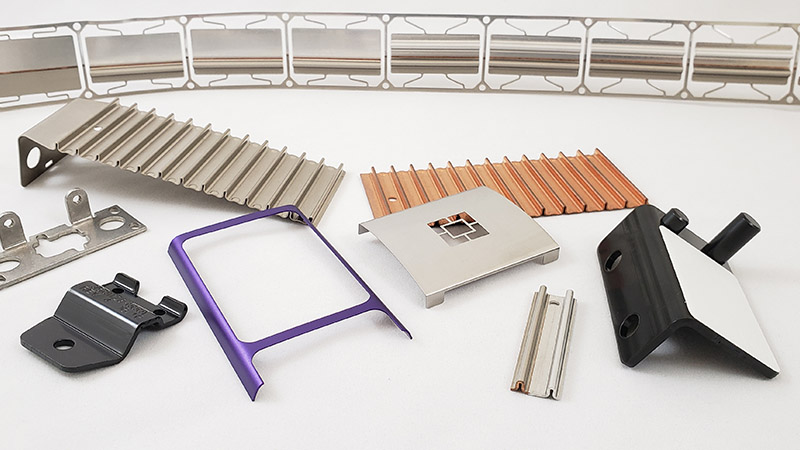
- Enclosures, brackets, housings, and clips
- Consumer goods and electronics
- Automotive components
- Prosthetics, orthotics, and medical components
- Jigs and fixtures for the shop floor
Materials
- Nylon PA 12 (gray or white). The workhorse. Good strength, stable dimensions, smooth surface. Use it for enclosures, brackets, and fixtures.
- Nylon PA 12 Smooth. Same mechanical properties as standard PA 12 with a finer finish off the printer. The best starting point if you plan to paint or dye.
- Nylon PA 12 Full Color. Color printed into the part. Use it for cosmetic models, labeled features, icons, and color-coded part states.
- Nylon PA 12 GB (glass bead filled). Stiffer and more wear-resistant. Use it for jigs and housings that take abuse.
- Nylon PA 11. More flexible and better at absorbing impact. Use it for living hinges, clips, and snap fits.
- TPU and TPA. Rubber-like and elastic. Use them for gaskets, grips, and parts that need to absorb energy.
- Polypropylene (PP). Chemical-resistant and flexible. Use it for fluid handling parts.
Tech Specs
- X/Y accuracy: 0.012 in, or 0.003 in/in, whichever is greater
- Z accuracy: 0.020 in, or 0.005 in/in, whichever is greater
- Layer thickness: 80 microns
- Maximum part size: 380 x 284 x 380 mm (15.0 x 11.2 x 15.0 in)
- Minimum wall thickness: 0.030 in
- Minimum feature size: 0.030 in (varies with layer height)
- Minimum hole diameter: 0.040 in
- Minimum clearance for assemblies: 0.020 in
Lead Times
- Fastest: 2 business days
- Standard: 5 to 8 business days
Finishing Options
Surface
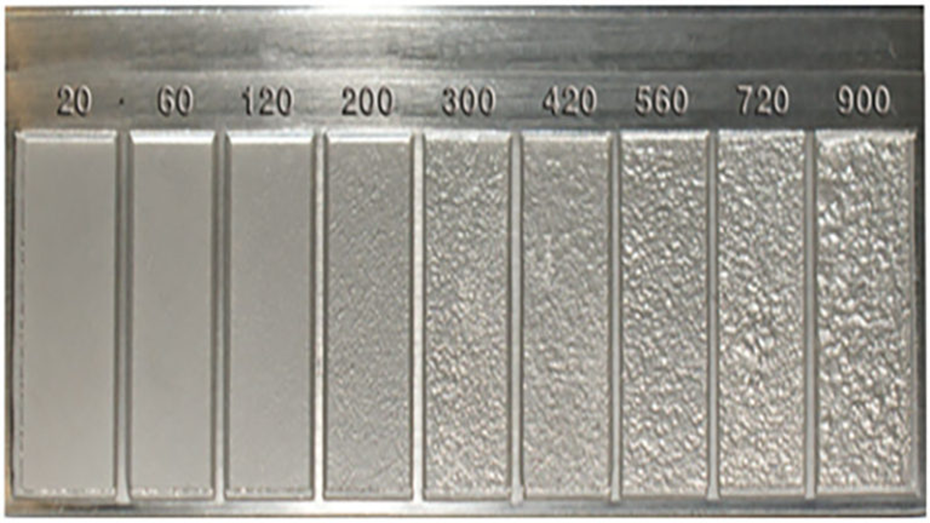
- Bead blast (included as standard)
- Mechanical smoothing
- Vapor smoothing
- Standard black dye and premium dye colors
- Spray paint
- Cerakote
Hardware and assembly
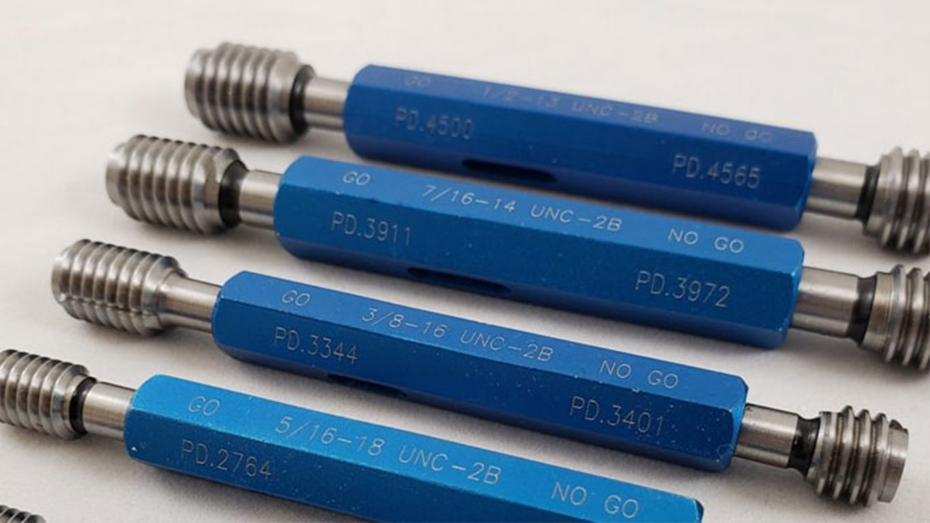
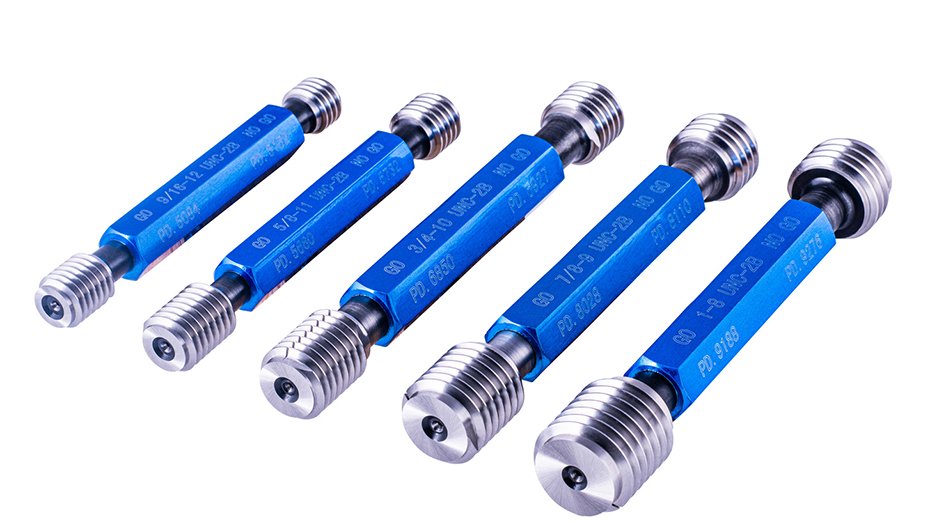
- Drilling and tapping
- Heat set inserts
- Helicoils
- Tricerts
- Bonding
- Splitting and bonding for parts larger than the build volume